

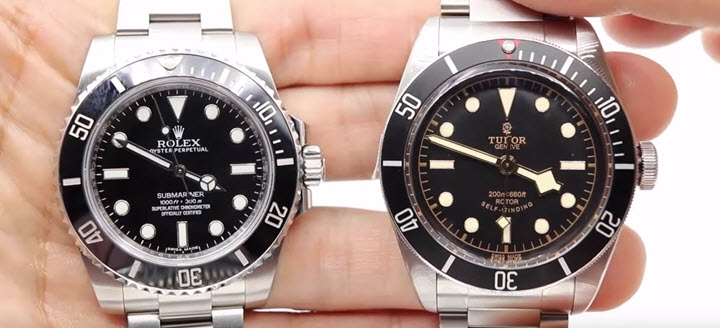
The Rolex Submariner needs no introduction, as it is one of the most renowned and sought-after diver’s watches in the world.
Rolex also has a sibling brand, Tudor. While the two share many similarities, there are several key differences between Rolex and Tudor.
Hans Wilsdorf established Rolex as a luxury brand, and Tudor as a more affordable alternative. Despite being the more budget-friendly option, Tudor still maintains a high standard of Swiss quality.
The main differences between Rolex and Tudor lie in their design and the use of premium materials, but the most significant distinctions are found in their bracelets and movements.
Today, we’ll compare the Rolex Submariner and Tudor Black Bay, highlighting their specifications, innovations, and unique features.
The Rolex Submariner
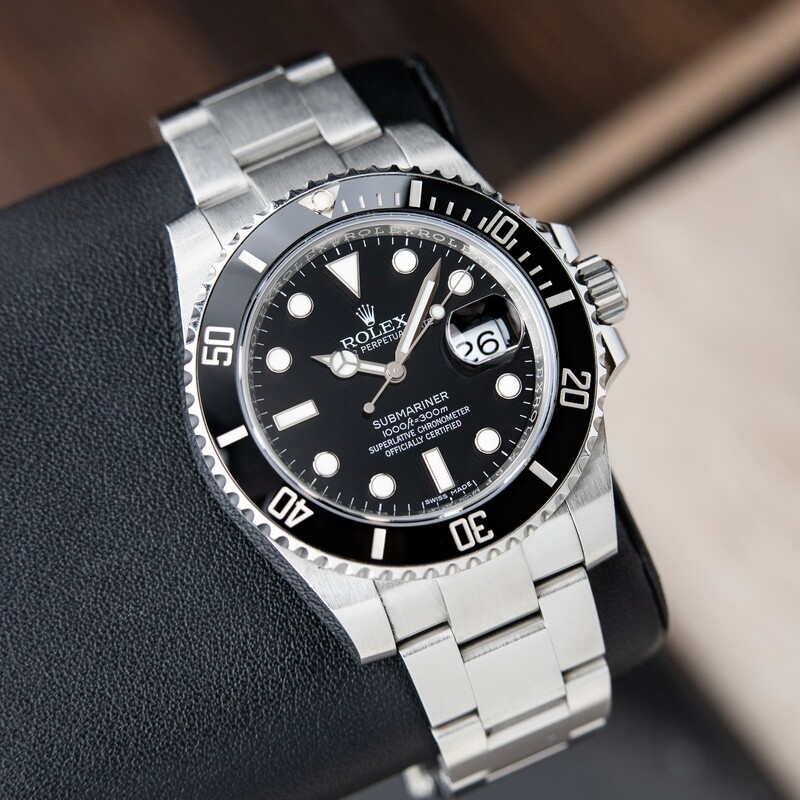
Since its debut in 1953, the Rolex Submariner has remained one of the most iconic and sought-after watches in the world. While Rolex has made improvements to the model over the years, it has stayed true to its original design.
Here are some key features of the Rolex Submariner:
- The Submariner features a 40mm Oyster case that is water-resistant up to 300 meters.
- It has a distinctive dial and a unidirectional, rotating Cerachrom bezel (introduced in 2005), designed for durability and precision.
- The 60-minute graduations on the bezel allow divers to track both their dive time and decompression periods.
- The signature Submariner dial includes large, luminous hour markers crafted from 18ct gold, ensuring excellent visibility in low-light conditions during dives.
The Rolex Submariner Oyster Bracelet
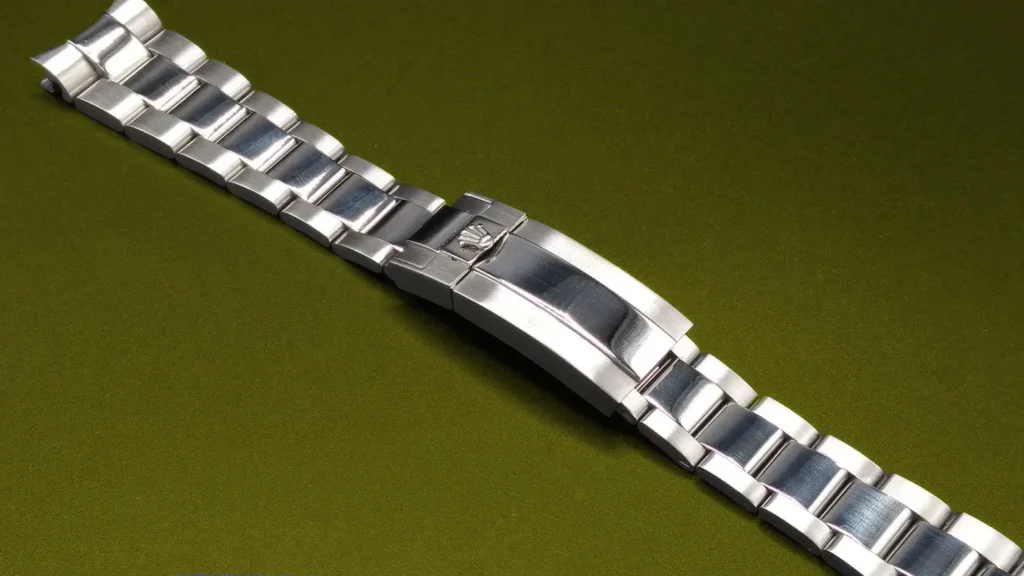
The Rolex Submariner features a solid link Oyster bracelet, first introduced in the late 1930s.
- The bracelet is equipped with an Oysterlock clasp to prevent accidental opening.
- Additionally, the Glidelock system allows users to adjust the bracelet size without needing tools, making it versatile for both everyday wear and fitting over a diving suit.
Self-Winding Mechanical Movement
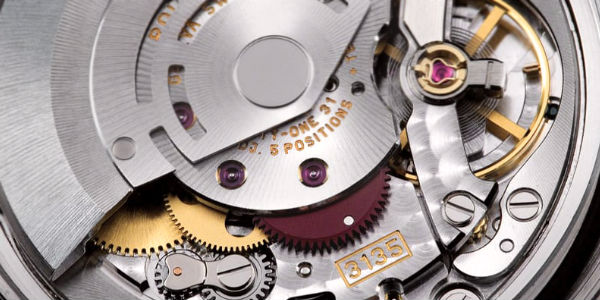
Most modern Rolex Submariner models are powered by the self-winding Calibre 3135 mechanical movement.
- This movement provides a 48-hour power reserve.
- The Calibre 3135 is fitted with a Parachrom hairspring, developed from a paramagnetic alloy in 2005, making it more resistant to temperature fluctuations and shocks.
- As a COSC-certified movement, it is also unaffected by magnetic fields, ensuring high precision and reliability.
The Tudor Black Bay
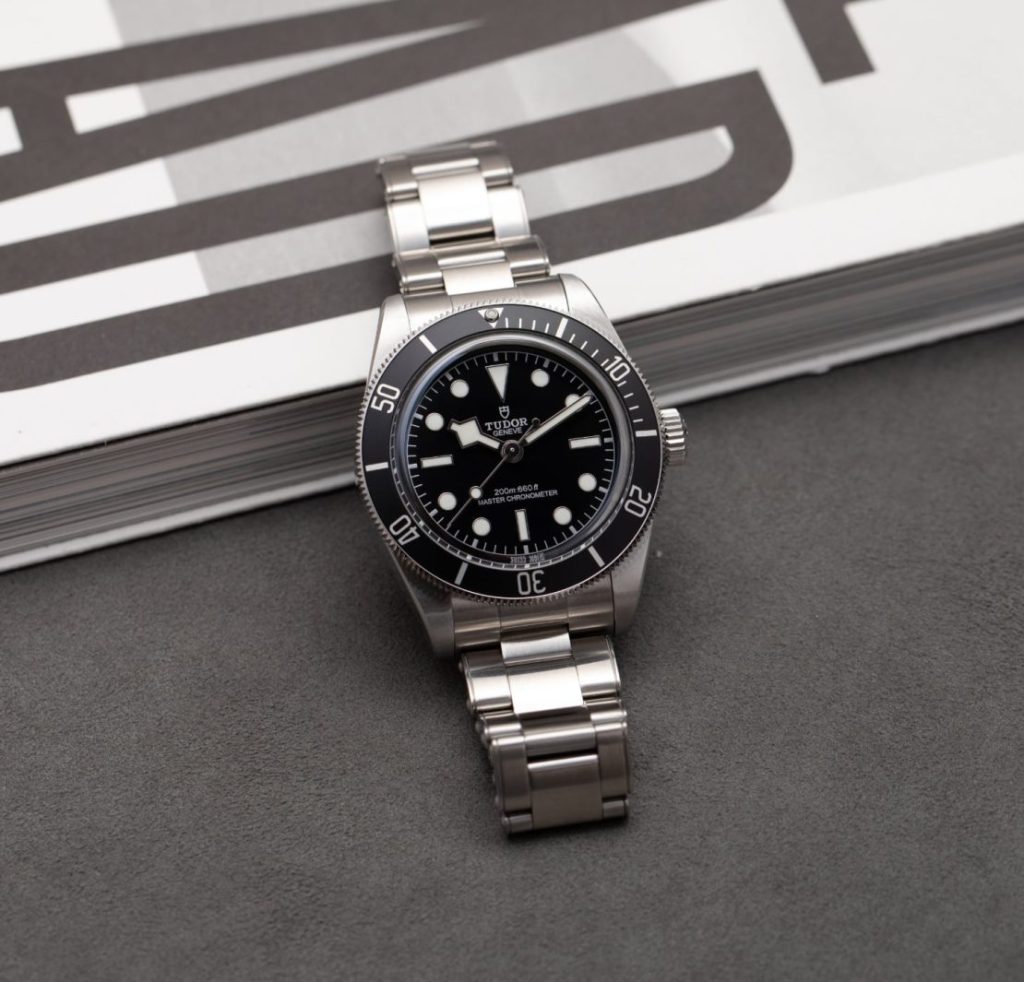
Although the Tudor Black Bay takes inspiration from its parent brand, Rolex, it has its own distinct design and craftsmanship. Launched in 2012, this model pays homage to Tudor’s early dive watches from the 1950s and 1960s.
Key features of the watch include:
- A 41mm stainless steel case, water-resistant to 200 meters.
- The lugs have a satin finish on top, while the sides are polished to a high shine.
- The Black Bay is equipped with a unidirectional, rotating stainless steel bezel.
- Its standout feature is the domed dial with a matte finish and gilt lettering, giving the watch a striking vintage appeal.
Tudor Black Bay Bracelets & Straps
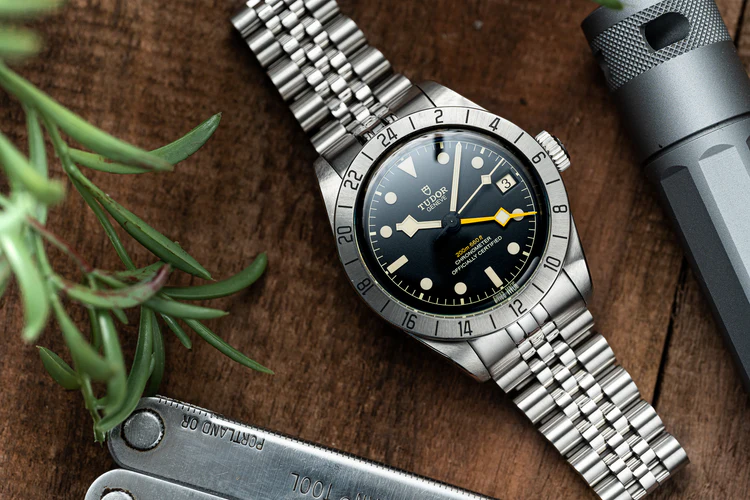
The Tudor Black Bay is available with a stainless steel bracelet or a leather strap, both featuring a folding buckle and safety clasp.
Additionally, some Tudor Black Bay models come with a woven fabric strap with a buckle. This strap is crafted using the traditional ‘Jacquard’ weaving technique, adding a unique touch.
COSC-Certified Movement
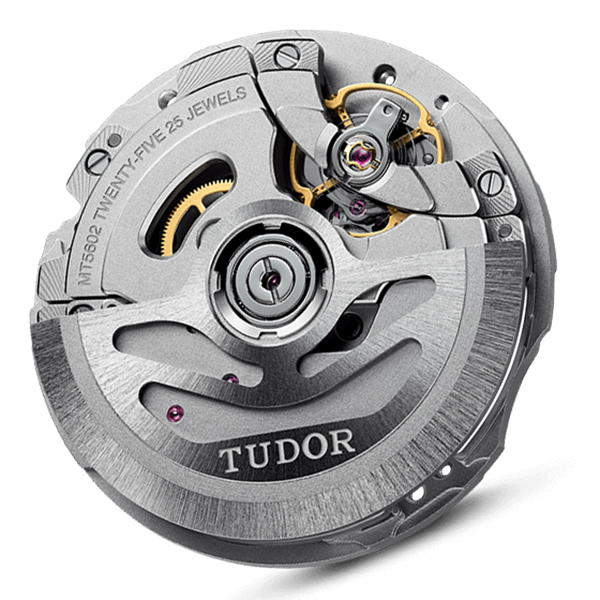
Modern Tudor Black Bay watches are powered by the COSC-certified Calibre MT5602 movement.
Introduced in 2015, the Calibre MT5602 is Tudor’s first in-house movement. It features a non-magnetic silicon balance spring and provides a 70-hour power reserve.
The Rolex Submariner has truly stood the test of time over the past six decades, representing a perfect blend of design and functionality in the world of sports watches. While the Tudor Black Bay may not have the same long history as the Submariner, it takes much of its inspiration from Tudor’s renowned vintage timepieces.
