


If you’re a watch collector or just someone who appreciates fine timepieces, knowing how to authenticate an Omega watch is essential. With the market flooded with counterfeits, it can be challenging to distinguish genuine pieces from fakes. We’re going to you through the steps to make sure that your Omega is the real deal, covering everything from serial numbers to movement analysis.
Key Takeaways
- Always check for original papers and documentation when buying an Omega watch.
- Familiarize yourself with the unique features of authentic Omega watches to spot fakes.
- Serial numbers are key; learn where to find and how to verify them.
- Pay attention to the dial and hands for any signs of flaws or misalignment.
- When purchasing, stick to reputable dealers to avoid scams.
Identifying Authentic Omega Watches

Understanding Authenticity
When you’re checking if an Omega watch is real, start by looking at the fine details. The engraving on the case and the overall build quality speak to the watch’s authenticity. One real Omega watch will always show flawless craftsmanship from every angle. You can often spot a genuine piece by:
- Inspecting the serial number engraving
- Comparing the alignment of markers on the dial
- Noticing the finish on the case
Also, it’s a good idea to have a look at how well the movement runs, as even tiny mismatches can signal a fake. Remember, a vintage Omega carries a history that doesn’t hide its quality.
Key Features of Authentic Omega Watches
Genuine Omega watches come with a set of features that help set them apart from counterfeits. These features include the precision of the dial, quality of internal movement, and consistency in design. Here’s a quick table to highlight some of these points:
| Feature | What to Look For |
|---|---|
| Dial Finish | Perfectly aligned markers and even print |
| Serial Engraving | Smooth, laser-etched numbers without extra marks |
| Movement Integrity | Silent and precise, reveals careful assembly |
Make sure you follow a key check to compare these parts closely. Aside from the table above, consider these pointers:
- Look for even weight distribution
- Check for proper alignment of hands
- Verify the case finish against genuine models
Common Misconceptions About Authenticity
There’s a lot of confusion out there when it comes to determining if an Omega watch is genuine. Some common myths include:
- Believing that price alone is a guarantee of authenticity
- Trusting that any watch with similar markings is real
- Overlooking small details like the alignment of the dial or hands
Remember, a watch that doesn’t tick all the boxes on its detailing is likely not the real deal. Always take your time and inspect every part closely before buying.
By keeping these points in mind, you’ll be better prepared when evaluating an Omega watch. This straightforward approach helps you avoid surprises and ensures you’re adding a piece of true craftsmanship to your collection.
Examining Serial Numbers
Serial numbers on Omega watches aren’t just random digits – they help tell the story of your timepiece. They act as a unique marker, ensuring that you’re looking at an original Omega.
Importance of Serial Numbers

Every Omega comes with its own unique number, which can reveal a lot about its history. The serial number serves as a stamp of authenticity that sets genuine watches apart. Here are a few reasons why these numbers matter:
- They provide historical context and production details.
- They help track service records and ownership history.
- They offer clues about the watch’s manufacturing period and model run.
Where to Find Serial Numbers
The location of the serial number can change based on the model and age of the watch. In many cases, you might find it in one of these spots:
- On the movement itself, often etched on a bridge or similar part.
- Inside the caseback, where it’s hidden away from plain sight.
- On the exterior caseback or even along the lugs for more recent models.
Below is a simple table for quick reference:
| Placement | Description |
|---|---|
| Movement | Engraved on the watch’s moving parts, often on the bridge. |
| Interior Caseback | Etched inside the back of the case on older models. |
| Exterior Caseback or Lugs | Visible on newer models for easier verification. |
How to Verify Serial Numbers
When checking out a watch, you can follow a few simple steps to verify its serial number:
- Compare the number on the watch with any documentation you have, like warranty cards or service records.
- Look up the serial number using trusted Omega resources or expert consultations.
- If in doubt, have a knowledgeable dealer or collector take a closer look to confirm the number’s legitimacy.
It’s always a good idea to get a second opinion if something feels off – even a small discrepancy in those digits might suggest that the watch isn’t as authentic as it seems.
This approach helps in ensuring that your Omega isn’t just a look-alike but a genuine piece of watchmaking history.
Analyzing the Dial and Hands
Dial Characteristics

When checking an Omega, the dial is one of the first parts you need to look at. The finish should be smooth, with clean print lines and a balanced color tone. You can often tell a lot from details like the fine engraving on the dial, which almost always includes a properly aligned Omega logo; check out Omega logo details for a quick reference. A genuine Omega dial always showcases impeccable craftsmanship with consistent alignment and printing.
Pay attention to dial color consistency as a sign of authenticity. Below is a quick table of common dial colors and their standard representations:
| Code | Dial Color |
|---|---|
| 01 | Black |
| 02 | Silver |
| 03 | Blue |
| 04 | White |
| 08 | Champagne |
Common Dial Flaws
Sometimes, small mistakes on the dial can be a dead giveaway for a counterfeit. Look for issues such as:
- Misaligned hour markers or indices
- Blurry or uneven printing that creates a washed-out look
- Visible glue residue or uneven textures that spoil the overall finish
Hands Alignment and Quality

The hands of a true Omega are a mark of quality. They should swing smoothly and be positioned in perfect alignment with the dial markers. To check the hands, consider the following steps:
- Make sure that all hands are centered and evenly spaced.
- Look at the clarity of any luminescence; it should be uniform and not patchy.
- Look at the quality of the finishing along the edges of the hands; genuine pieces rarely have rough or uneven edges.
These details might seem minor, but they can make a big difference when trying to confirm authenticity.
Evaluating the Movement
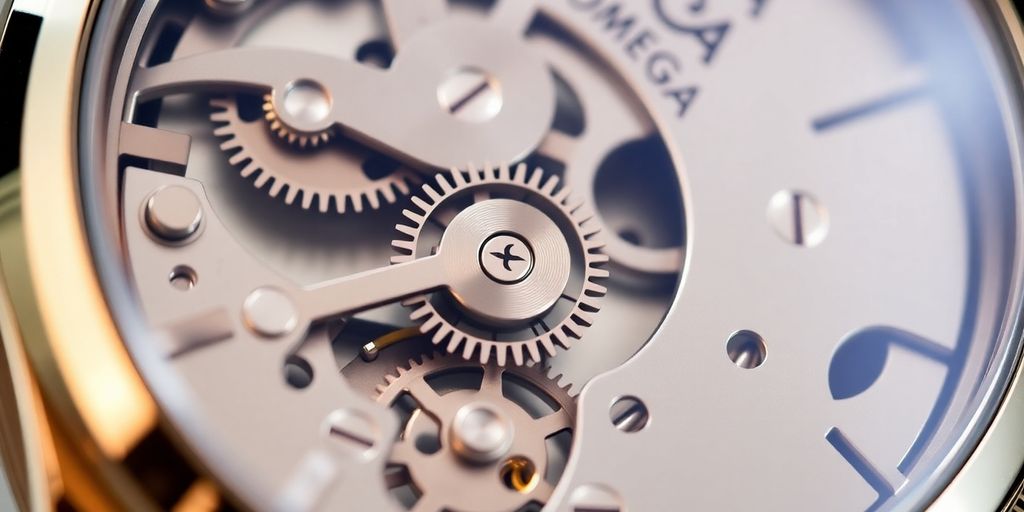
Types of Omega Movements
Omega watches come with a variety of movements. Some are strictly mechanical, while others are mechanical but also include a Co-Axial escapement. You’ll often find that newer models might use quartz for precision in a different way. Here are a few common types:
- Mechanical (traditional craftsmanship)
- Mechanical with Co-Axial (better durability over time)
- Chronograph movements (for those who need a timer)
For a closer look at performance criteria, consider the Master Chronometer testing process which gives you insight into the precision of these models.
Movement Serial Numbers
Serial numbers on the movement can tell you a lot about its origin. You want to locate these markings, and then it’s a good idea to cross-check them with known Omega references. When examining the serial numbers, try the following steps:
- Look closely at the engraved numbers on the movement plate.
- Compare these numbers with records available through Omega’s history or secondary sources.
- Confirm the physical format matches what Omega typically uses for that era.
This process might feel a bit technical, but it can clear up whether the movement is original or replaced.
Signs of a Genuine Movement
When you’re checking the movement itself, there are several clear signs to consider. A genuine Omega movement will show attention to detail and durability that is hard to duplicate:
- A genuine Omega movement shows its heritage in every tick.
- Look for a smooth, steady sweep of the seconds hand with minimal stuttering – a sign of quality engineering.
- Notice the alignment and precision of engravings. Even on a vintage piece, details should be crisp and uniform.
These pointers should help you evaluate if the movement inside your Omega is up to the brand’s high standard.
Inspecting the Case and Back
When checking an Omega watch, the case and back can tell you a lot about its authenticity. This part of the watch often reflects its heritage and care in production.
Case Material and Finish

The materials used in the case speak volumes. Authentic Omega watches usually use high-grade metals like stainless steel or precious metals, and the finishing should be smooth and even. Here are some points to check:
- Look for well-polished surfaces that show no abrupt transitions.
- Notice any imperfections in the metal that could come from polishing shortcuts.
- Verify if the metal is consistent throughout the case.
Below is a quick table summarizing key elements:
| Material | Indicator |
|---|---|
| Stainless Steel | Even finish with fine detailing |
| Gold | Rich tone, subtle shine |
| Titanium | Light, consistent, no discoloring |
Remember to compare these findings with the watch’s official certificate. The finish on an authentic watch is never rushed, showing craftsmanship in every detail.
Case Back Details
The back of the case holds its own set of clues. Authentic models usually exhibit precise engravings, consistent serial numbers, and a neat overall design. Consider these steps when examining the case back:
- Check for clear, legible engravings that match Omega’s standard style.
- Compare the serial number details with known models using a reliable reference.
- Look for any signs of poor finishing or irregular spacing in the engravings.
Signs of Wear and Tear
Even a collectible piece can show signs of use over time. However, understanding which marks are normal and which are questionable is key. Common points to consider include:
- Scratch patterns or pitting: Light scratches might be due to everyday use, but deep pits or uneven surfaces can indicate replacement parts or excessive wear.
- Faded or dull areas that contrast with the surrounding finish.
- Inconsistent wear on the edge, suggesting parts have been rubbed or replaced.
A summary table of observations assists with a quick check:
| Issue | What to Look For | Note |
|---|---|---|
| Scratches | Superficial marks consistent with use | Often normal, if evenly spread |
| Pitting | Small depressions or rough patches | Could hint at exposure issues |
| Faded areas | Dull spots against a shiny finish | May affect the watch’s value |
Always compare these details carefully to decide if the wear appears natural or if it might be a sign of tampering.
Researching Provenance and Documentation

When you start looking into an Omega watch, one of the best ways to make sure it’s the real deal is by checking its background. In this section, we break down why it’s important to have the original papers, how you can obtain the necessary documentation, and how to use Omega’s own records to cross-check the details.
Importance of Original Papers

Original papers and documentation serve as the watch’s birth certificate. They help prove that the watch is genuine and add to its overall value. Here are a few documents that can make a difference:
- Original warranty card
- Service records and receipts
- Certificate of authenticity
Additionally, here’s a quick table to show what to look out for:
| Document Type | What It Reveals |
|---|---|
| Warranty Card | Initial proof of purchase and authenticity |
| Service Records | History of maintenance and repairs |
| Certificate of Authenticity | Third-party verification of the watch’s origin |
How to Obtain Documentation
Finding the right paperwork might seem tricky, but it’s all about knowing where to look. Start by contacting previous owners or authorized dealers and ask if they have any original documents or receipts. Other steps you can take include:
- Reaching out to the previous seller for any available records
- Visiting authorized Omega retailers to inquire about historical document retrieval
- Checking with professional appraisal services that might have archived details
These basic steps often yield the necessary papers that support the authenticity of your Omega watch.
Cross-Referencing with Omega Database
Sometimes the papers aren’t enough on their own. That’s when a cross-reference against Omega’s own records comes in handy. Here’s how you can do it:
- Locate the watch’s serial number (usually found on the case back).
- Contact an Omega service center or use their database if available to verify the serial number and details.
- Compare the service and warranty records provided by the seller with the official details in the database.
Taking these steps means you get a clearer picture of the watch’s journey and can be more confident in your collection.
Buying from Reputable Sources

When starting your hunt for a genuine Omega, it pays to be very cautious. You need to know exactly what makes a dealer reliable. There’s no manual magic here—just taking time to ask questions and doing a bit of research. Here’s how you can be more confident when buying your watch.
Identifying Trusted Dealers
Look for dealers with a long-standing reputation and good reviews. Some things to keep in mind:
- Check if they are affiliated with recognized watch communities.
- Verify that they offer documented proof of authenticity.
- Ask if they have a return or exchange policy in case you spot an issue later.
For instance, some stores offer products like the Speedmaster Anniversary, proving that they are well in tune with what collectors expect. Always trust dealers who provide clear documentation and personalized service.
Red Flags in Transactions
Be aware of warning signals that might mean trouble. Here are some common red flags you should watch out for:
- Prices that seem unusually low compared to market rates.
- Vague or incomplete ownership history and documents.
- Reluctance to offer a warranty or allow a third-party verification.
A good practice is to have a checklist of what a genuine transaction should include. Here’s a compact table outlining a few markers:
| Feature | Positive Indicator | Negative Indicator |
|---|---|---|
| Price | In line with market trends | Significantly below average |
| Documentation | Full papers and serial details | Missing or incomplete records |
| Dealer Reputation | Recognized by collector communities | Limited online presence |
The Role of Watch Collectors

Collectors play a big part in maintaining the vibe of honest transactions. They share stories, personal experiences, and often band together to call out questionable deals. Joining these communities can provide a pretty valuable perspective. Many collectors even recommend getting a second opinion before sealing the deal. One member in a group I know once said:
Looking for advice from such groups may also lead you to certified finds and better buying strategies. This community-first approach ensures that you don’t get swept up by flashy offers without substance.
Take your time, ask questions, and always follow your gut when something feels off. That way, you’ll increase your chances of walking away with an authentic piece rather than a regrettable mistake.
Final Thoughts on Authenticating Omega Watches
In wrapping things up, remember that spotting a genuine Omega watch isn’t just about the price tag or the seller’s pitch. It’s about doing your homework. Take your time to check the details, from the serial numbers to the craftsmanship. If something feels off, trust your gut. Buying from a reputable dealer can save you a lot of headaches down the line. And hey, if you’re ever in doubt, don’t hesitate to reach out to fellow collectors or experts. They can offer insights that might just help you avoid a costly mistake.
How can I tell if my Omega watch is real?
To check if your Omega watch is authentic, look for the serial number, examine the quality of the dial and hands, and inspect the movement. You can also compare it with information from Omega’s database.
What should I do if I find a vintage Omega watch for sale?
If you find a vintage Omega watch, research the seller and ask for original papers. Be cautious of prices that seem too low, as they may indicate a fake.
Where can I find the serial number on my Omega watch?
You can usually find the serial number on the watch’s movement, case back, or on the original paperwork like the warranty card.
What are some common signs of a counterfeit Omega watch?
Common signs include poor quality printing on the dial, mismatched serial numbers, and unusual weight. If something seems off, it’s best to be cautious.
