


There are various reasons you might consider selling your luxury watch. Whether you’re looking to raise funds, want to refresh your collection by parting with a few pieces, or simply find that you’ve lost your affection for it (which we hope isn’t the case), we’re here to assist you.
So, without further ado, let’s get into the fundamental question
- How To Sell Your Watch?
- What Is a Direct Sale?
- What is Watch Consignment?
- Advantages & Disadvantages
- Which Should You Consider?
- Choosing the Best Dealer for Direct Watch Sales or Watch Consignment
- Final Thoughts
How To Sell Your Watch?
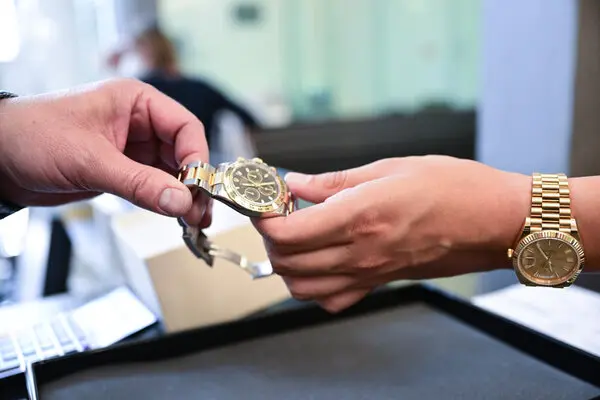
The million-dollar question is, “What’s the best way to sell my watch?” Contrary to popular belief, visiting a store isn’t the only option; there are several methods available. However, with so many fraudsters out there, selecting the right approach can be quite challenging.
Here, we’ll explore the two most common options for selling your watch:
- Direct Sale
- Consignment
Each method has its own advantages and disadvantages, and your choice will depend on your individual circumstances and preferences.
Let us help clarify the differences between direct selling and consignment to simplify your decision-making process.
What Is a Direct Sale?
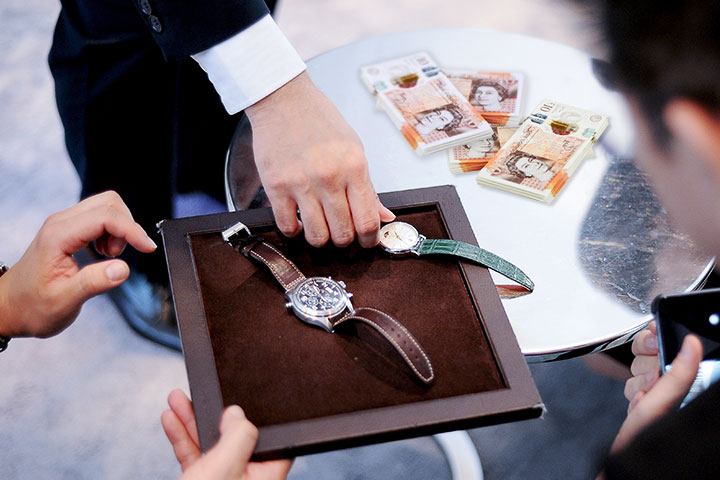
Direct selling involves selling your watch to a dealer who purchases it directly from you. This method allows you to receive your payment immediately, ensuring a fast and efficient transaction.
Here’s how it works:
- You visit a reputable dealer or watch buyer with your luxury watch.
- The dealer will present you with an offer based on various factors, including the brand, model, age, condition, material, provenance, rarity, and whether you have the original box and papers. They will also consider the current market price and their overall costs.
- If you accept the offer, the dealer will pay you the full amount right away.
Note: The price you initially paid for the watch is not a determining factor here. The offer is based solely on the aforementioned criteria. A reputable dealer will provide a transparent selling process and will pay you in cash or initiate a bank transfer, depending on your preference
What is Watch Consignment?
In simple terms, consignment means that a third party sells your watch for you. They usually take a percentage of the sale as a commission fee.
When you give your watch to a consignor, no money changes hands at that moment, and you still keep control of your watch. The consignor only gets paid if they successfully sell the watch, typically charging a fee of 10-30% of the sale price.
Both you and the consignor are working together to sell the watch for the highest price and as quickly as possible. The consignor’s job is to find the best buyer and take a cut from the sale.
Here’s how it works:
- There are two parties involved: you (the consignee) and the consignor (the seller).
- The consignor handles all the details of selling the watch from start to finish, making the process easier for you.
- Once you consign your watch to a reputable professional, they will list it on their platform and in their stores, reaching a wider audience of potential buyers. They will promote and market your watch through their website and social media.
- The consignor aims to get you a fair and competitive price. When they find a buyer, they will sell the watch for you and take their commission from the sale.
- The consignor only receives their fee after the watch is sold and deducts it from the proceeds.
Note: The consignor will discuss your selling options, including the prices you’re willing to accept and the time frame you have in mind for selling the watch.
Additionally, if the sale doesn’t happen because your price is too high or the buyer backs out, the agreement can be ended, and you will get your watch back.
Advantages & Disadvantages
Advantages of Direct Selling
1. Quick Payment
One of the main advantages of selling your watch directly to a buyer is the immediate payment. Unlike other selling methods that may require waiting for funds or dealing with delays, direct selling allows you to access your cash quickly, which is especially helpful during a financial emergency.
2. Reduced Risk
Meeting the buyer face-to-face eliminates the risks associated with shipping or payment issues. Direct communication fosters better negotiations, as the dealer can address any questions or concerns you may have, leading to a more satisfying transaction. This approach also enhances your confidence in the buyer and the overall process, ensuring a safe and secure sale.
3. Minimal Hassle
Selling your watch directly is a hassle-free process; you can leave with cash in hand within minutes. Any disputes or issues can be resolved immediately, avoiding the extended communication that often accompanies other selling methods. This makes the entire process faster, smoother, and more efficient.
4. Privacy Protection
Direct sales typically take place in a secure and discreet environment, such as a reputable watch buyer’s or dealer’s location, which adds an extra layer of safety. Conducting the transaction in a private setting where both parties feel secure helps build trust in the sale.
5. Simple Process
Direct sales provide a clear and uncomplicated experience. Once you accept the dealer’s offer, the transaction can be completed in one day, with no need for ongoing involvement in the selling process.
Disadvantages of Direct Selling
- You might receive a lower offer for your watch. Businesses aim to profit from your watches, so they will typically reduce the value before making an offer.
- There is a risk of encountering scammers and concerns regarding the integrity of inquiries.
- You may miss out on potential exposure, leading to lost opportunities for cash and genuine financial returns.
- Selling your watch may also incur selling fees.
Advantages of Consigning your Watch
Get a Higher Return
In some instances, consigning your watch may yield a better price than you initially anticipated. Experts leverage their knowledge and understanding of the market to secure higher prices. Additionally, the consignor only earns a commission after the sale, which is ideal for sellers looking to maximize their profits. After all, who wouldn’t appreciate a little extra cash in their pocket before payday?
Work with Trusted Professionals
Watch consignors possess extensive knowledge of the watch market and have a deep understanding of its trends and conditions. They utilize their connections and refined selling skills to help you achieve a potentially higher selling price for your luxury watch.
No Hassle on Your Part
Selling a watch on your own can be a complicated and stressful process. However, partnering with a consignor simplifies the experience, as professionals manage the entire sale for you. This includes marketing, negotiating with buyers, handling transactions, organizing delivery, and addressing any other challenges, saving you valuable time and effort.
Maximum Exposure
By collaborating with a reputable consignor who has industry connections, you significantly reduce the risk of receiving a low offer for your watch. They have established relationships with a wide array of collectors and enthusiasts who may be interested in your watch, enabling them to secure the best possible value.
Retain Ownership
Unlike direct sales, where you relinquish ownership of your watch immediately after the transaction, consignment allows you to retain ownership of your luxury watch throughout the selling process.
Disadvantages of Consigning your Watch
- Selling your watch can be a time-consuming process, with no assurance that it will sell.
- There is a risk of partnering with an unreliable consignor.
- You must wait for the sale to be completed before receiving payment.
- Consignment shops typically charge a commission fee between 10% and 30% of the sale price, so it’s important to research and compare options to find one with a fair fee structure.
Which Should You Consider?
Both methods offer distinct advantages and potential drawbacks, so it’s important to determine which option works best for you. Consider your priorities, comfort level, and timeline for selling your watch to find the most suitable approach.
You might want to evaluate the following factors:
- Time
A direct sale is typically quicker than consignment, which can take weeks or even months to finalize. - Payment
Direct sales provide immediate cash, while consignment requires you to wait until the watch is sold for payment. However, consignment may yield a higher price if the consignor finds a buyer willing to pay more. - Risk
With direct sales, the risk shifts to the buyer as soon as the transaction is completed. In contrast, the consignor assumes the risk until the watch is sold, and they must return the watch to you if it remains unsold. - Ease of Transaction
In direct sales, you are responsible for locating the right dealer and managing the transaction. In a consignment arrangement, your selling partner handles all aspects of promotion, marketing, negotiation, and transaction management.
Choosing the Best Dealer for Direct Watch Sales or Watch Consignment

No matter which method you choose to sell your watch, it’s essential to find a trustworthy source to ensure a smooth transaction. Here are some steps to help you make the right choice:
Check the Dealer’s Reputation
Whether you’re consigning your watch or selling it directly, it’s crucial to research the dealer’s reputation. Look for online reviews and ratings on platforms like Google to verify their credibility. You can also ask friends or fellow watch enthusiasts for recommendations to make an informed choice.
Research Expertise and Experience
Given the value of luxury watches, opt for dealers with significant experience and expertise in the industry. Look for dealers who specialize in either watch consignment or watch sales to ensure you secure the best possible deal.
Assess Transparency
A reliable dealer should be willing to provide clear details about the selling process, including pricing, marketing strategies, and any associated fees. It’s vital that they are upfront about their commission structure to prevent any misunderstandings later on.
Check Payment Options
Make sure the dealer uses safe and secure transaction methods to safeguard your personal information. Understand the payment process and how long it will take for you to receive funds after the sale.
Read the Terms & Conditions
Before agreeing to any sale, carefully review all agreements and terms and conditions. Pay attention to pricing, fees, commissions, and any other stipulations. Check if the dealer has a return policy for unsold watches and clarify how you can retrieve your watch if necessary.
Evaluate the Marketing Strategy
This is particularly important for consignments, as the dealer will need to promote your luxury watch across various channels. Inquire about their advertising strategies, including social media promotions, online listings, and in-store marketing efforts to ensure your watch reaches a wider audience.
Visit the Location
If possible, visit the dealer’s location or store to get a sense of their professionalism and business practices. Meeting the dealer in person can also help verify the legitimacy of the transaction and provide insight into their expertise and trustworthiness.
After-Sales Service
While it may not be your top priority, consider choosing a dealer that offers support even after the sale. A reputable dealer will be willing to provide good after-sales assistance and address any concerns you might have following the sales or consignment period.
Final Thoughts
Deciding between direct sales and consignment is a personal choice that hinges on your specific needs, circumstances, and preferences. Begin by assessing your priorities.
Direct sales provide the advantage of immediate payment, making them suitable for those in need of quick cash. Conversely, consignment may result in higher returns but demands more time and engagement.
It’s important to thoughtfully consider the advantages and disadvantages of each method to determine which option aligns best with your objectives.
