


TAG Heuer is a well-known Swiss watchmaker with a rich history that dates back to 1860. Founded by Edouard Heuer, the company has made significant contributions to the world of watchmaking, especially in the field of chronographs and sports timing. Over the years, TAG Heuer has combined tradition with innovation, becoming a favorite among racing enthusiasts and watch collectors alike.
Key Takeaways
- Founded in 1860 by Edouard Heuer, TAG Heuer started with pocket watches.
- In 1887, Heuer patented the oscillating pinion, a key component in modern chronographs.
- The company gained fame for its chronographs, especially the Lemania 5100 models in the 1970s.
- In 1985, TAG Heuer was formed after a merger with Techniques d’Avant Garde, leading to modern innovations.
- The 21st century saw the launch of the first Swiss luxury smartwatch, connecting tradition with technology.
Founding Years and Early Innovations
Establishment by Edouard Heuer
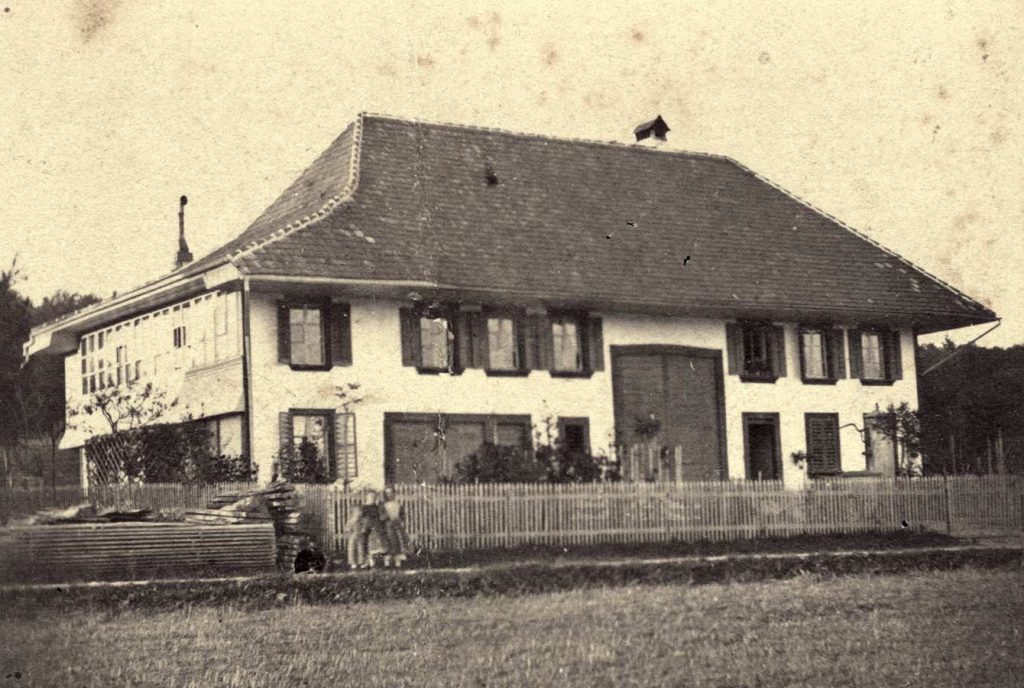
In 1860, Edouard Heuer started his watchmaking business in Saint-Imier, Switzerland. At just 20 years old, he focused on creating pocket watches, primarily made of silver. His dedication to quality and craftsmanship laid the groundwork for what would become a renowned brand.
First Patent and Keyless Winding System
In 1869, Heuer made a significant breakthrough by patenting a crown-operated, keyless winding system. This innovation replaced the traditional key used to wind watches, making it easier and more convenient for users. This was a pivotal moment in watchmaking history, showcasing Heuer’s commitment to innovation.
Introduction of the Oscillating Pinion
In 1887, Heuer introduced the oscillating pinion, a mechanism that allowed chronographs to start and stop instantly with a push-button. This invention is still widely used in modern mechanical chronographs, proving Heuer’s lasting impact on the industry.
Expansion and Technological Advancements
Development of the Chronograph
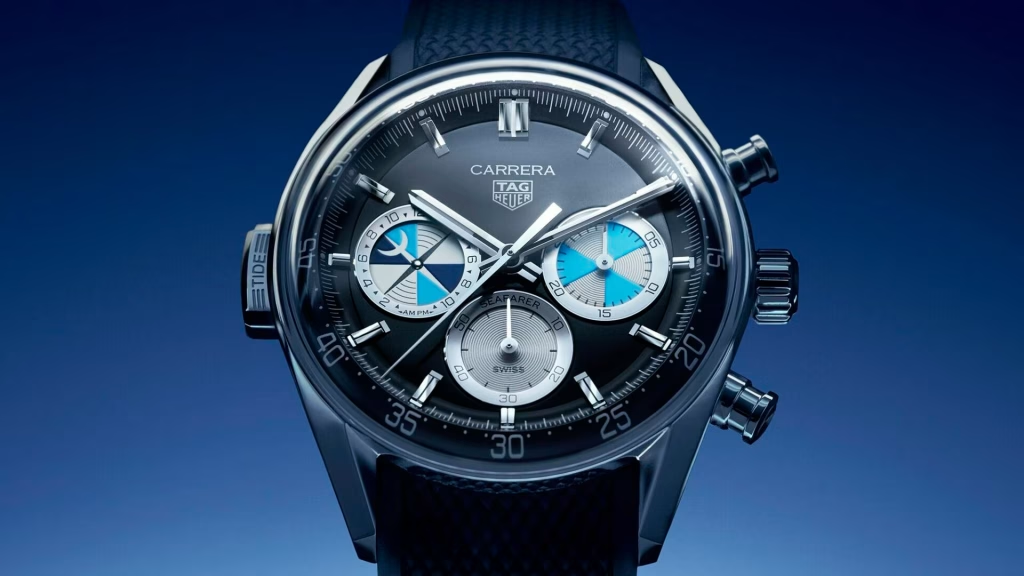
TAG Heuer made significant strides in the world of chronographs. This innovation allowed for precise timing in various sports and events. The introduction of the Calibre 11 in 1969 marked a major milestone, as it was the first automatic chronograph movement. This development not only enhanced accuracy but also set the stage for future advancements in watch technology.
Innovations in Dashboard Instruments
In the early 20th century, TAG Heuer began designing instruments for dashboard use in automobiles. These instruments were crucial for timing races and other events. The Time of Trip device, introduced in 1911, was one of the first dashboard timers, showcasing TAG Heuer’s commitment to precision in automotive timing.
Introduction of Automatic Chronographs
The late 1960s saw TAG Heuer introduce the world’s first automatic chronographs. This innovation changed the watch industry, allowing for self-winding mechanisms that improved reliability and ease of use. The Monaco and Carrera models became iconic, representing the brand’s dedication to performance and style.
The Colorful Era and Racing Legacy

Launch of the Heuer Carrera
In 1963, Heuer introduced the Carrera, a chronograph that embodied the thrill and excitement of racing. This model quickly became a favorite among motorsport enthusiasts, showcasing a design that was both functional and stylish.
Introduction of the Monaco and McQueen Connection
The Monaco was launched in 1969 and gained fame when Hollywood star Steve McQueen wore it in the film Le Mans. This connection helped the Monaco become a symbol of racing culture, combining a unique square case with striking colors. The watch’s bold design and McQueen’s endorsement brought it into the spotlight, making it a must-have for fans of speed and style.
Development of the Centigraph for Track Timing
In 1971, Heuer’s Electronics Division created the Centigraph, a groundbreaking timing system used by the Ferrari racing team. This technology allowed teams to track their drivers’ performance with incredible accuracy, displaying times to the nearest millisecond. The Centigraph was a game-changer in motorsport, providing teams with essential data to improve their strategies and performance on the track.
- Key Features of the Centigraph:
- Tracks multiple cars simultaneously
- Displays lap times and total time
- Prints results on the spot
TAG Heuer Formation and Modernization
Acquisition by Techniques d’Avant Garde
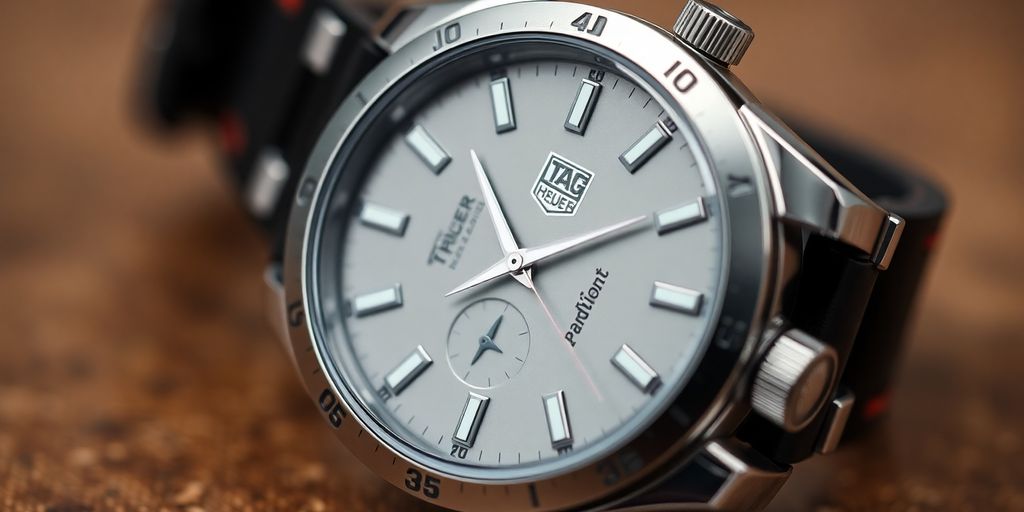
In 1985, the TAG Group acquired Heuer, forming TAG Heuer. This marked a significant change for the brand, as it began to embrace new technologies and modern designs. The acquisition helped TAG Heuer transition from a traditional watchmaker to a brand that focused on innovation and style.
Introduction of the Formula One Collection
One of the first major products released after the acquisition was the Formula One Collection in 1986. This collection was designed to appeal to a younger audience and featured:
- Bold colors
- Sporty designs
- Affordable pricing
The Formula One watches quickly became popular, establishing TAG Heuer as a leader in the sports watch market.
Acquisition by LVMH
In 1999, TAG Heuer was acquired by LVMH Moët Hennessy Louis Vuitton, a major luxury goods group. This acquisition provided TAG Heuer with the resources to further enhance its brand and expand its product line. Under LVMH, TAG Heuer continued to innovate, introducing new technologies and designs that appealed to both watch enthusiasts and casual buyers.
21st Century Innovations
Introduction of the Pendulum Concept
In the early 2000s, TAG Heuer introduced the Pendulum Concept, a groundbreaking design that aimed to enhance the accuracy of mechanical watches. This innovation replaced the traditional balance spring with a pendulum, allowing for greater precision in timekeeping.
Launch of the Connected Watch
In November 2015, TAG Heuer made a significant leap into the digital age with the Connected Watch. This was the first Swiss luxury smartwatch, combining traditional watchmaking with modern technology. It featured:
- A touchscreen display
- Fitness tracking capabilities
- Customizable watch faces
50th Anniversary of the Carrera
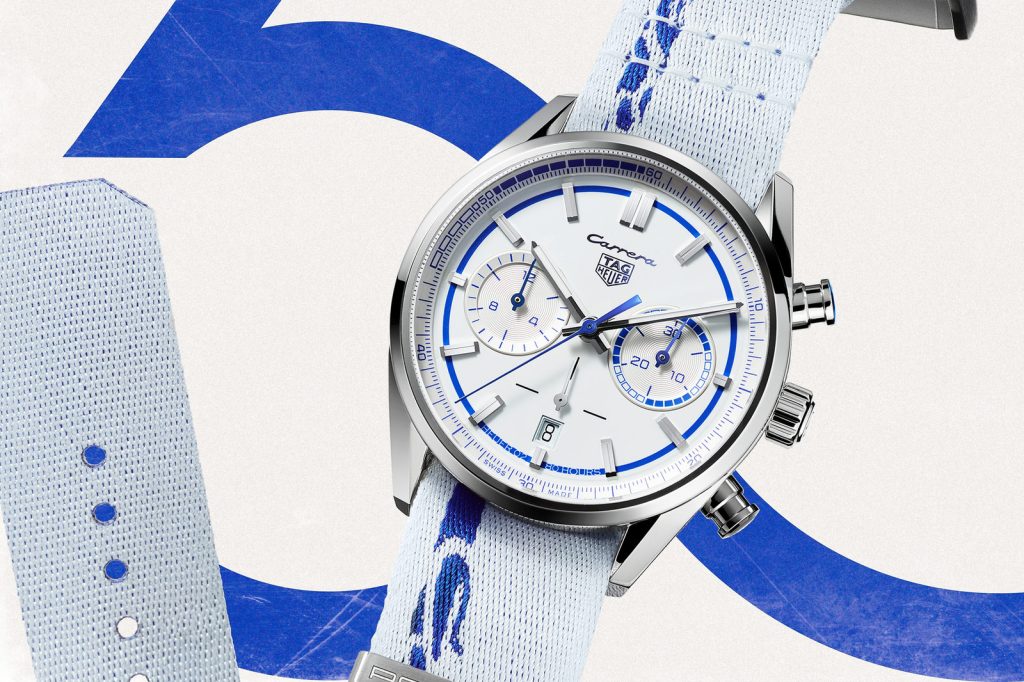
To celebrate the 50th Anniversary of the Carrera in 2019, TAG Heuer released a series of limited edition models. Each model reflected the unique style of a different decade, showcasing the brand’s rich history and commitment to innovation.
| Year | Innovation | Description |
|---|---|---|
| 2004 | Monaco V4 | A watch inspired by racing engines, featuring a unique movement design. |
| 2010 | Calibre 1887 Movement | TAG Heuer’s first in-house chronograph movement. |
| 2015 | Connected Watch | The first Swiss luxury smartwatch, merging classic design with smart features. |
| 2019 | 50th Anniversary of the Carrera | Limited edition models celebrating the Carrera’s legacy. |
TAG Heuer’s Commitment To Performance

Development of the Calibre 1887 Movement
The Calibre 1887 movement is a significant achievement for TAG Heuer. It combines traditional craftsmanship with modern technology, ensuring high accuracy and reliability. This movement is known for its:
- Chronograph function: Allows precise timing of events.
- Self-winding mechanism: Powers the watch using the motion of the wearer’s wrist.
- Durability: Built to withstand the rigors of sports and daily wear.
Introduction of the Monaco V4
The Monaco V4 is a groundbreaking watch that showcases TAG Heuer’s innovative spirit. It features:
- Belt-driven movement: Unlike traditional gears, it uses belts for movement, enhancing efficiency.
- Unique design: Its striking look sets it apart from other luxury watches.
- Precision engineering: Ensures accurate timekeeping, reflecting TAG Heuer’s commitment to performance.
Continued Innovations in Watchmaking
TAG Heuer remains at the forefront of watch technology with ongoing innovations. Some key advancements include:
- Mikrotimer: A watch that measures time to 1/1000 of a second.
- Connected watches: Blending traditional watchmaking with smart technology.
- Savoir-faire: Each watch is crafted with a focus on quality and precision, ensuring they meet the highest standards.
Final Thoughts
TAG Heuer has a rich history that dates back to 1860. Founded by Edouard Heuer in Switzerland, the brand has always been known for its innovative spirit and dedication to quality. Over the years, TAG Heuer has introduced many groundbreaking designs and technologies, like the first automatic chronographs and the magnetic oscillator.
The brand has also embraced modern trends, such as smartwatches, while staying true to its racing roots. Today, TAG Heuer continues to be a leader in the watch industry, blending tradition with cutting-edge technology.
