

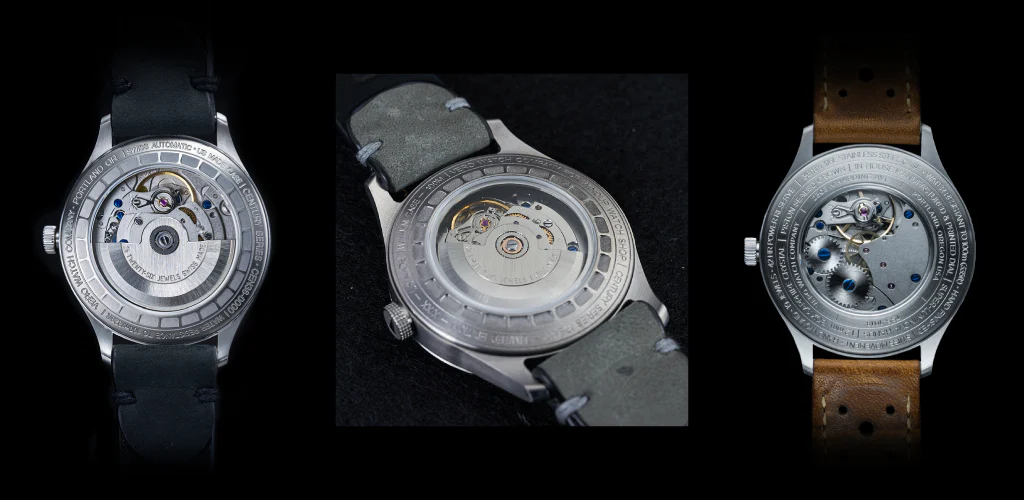
The debate between automatic and mechanical watch movements has been around for years. Many people think these two types of watches are the same, but there’s an important difference. To choose the right style, you need to understand the watch’s “movement,” which is basically its engine.
When shopping for a new watch, you’ll hear terms like “mechanical,” “automatic,” and “quartz.” These can be confusing if you’re new to watches, but collectors usually know the differences.
Mechanical watches come in two types: automatic and manual wind. Even though both are mechanical, people often mix up automatic and mechanical watches, thinking they’re completely different.
In this guide, we’ll explain the basics of both manual and automatic mechanical watches, and clear up the misunderstanding that automatic watches aren’t mechanical.
By knowing the differences, you’ll be able to choose the right movement for your next watch.
Basics of Mechanical watches
Definition
Mechanical watches are powered by a mainspring, a tightly coiled metal spring that stores energy. You wind the mainspring by hand to keep the watch running. As the spring slowly unwinds, its energy moves through a set of gears and springs, making the watch tick and run its various functions.
This complex movement, made up of many tiny parts, is what makes mechanical watches unique, especially when compared to quartz watches, which run on batteries.
Key Components:
- Mainspring: The energy source of a mechanical watch (both automatic and manual), storing power when wound.
- Gear Train: A set of gears that transfer energy from the mainspring to the rest of the watch.
- Escapement: A system that controls how energy moves from the gears to the balance wheel, ensuring accurate timekeeping.
- Balance Wheel: A weighted wheel that swings back and forth steadily to keep the watch’s time accurate.
Types of Mechanical Watches
As mentioned earlier, there are two types of mechanical watches: automatic and manual wind. The main difference between them is how the mainspring is wound.
1. Automatic Watches

An automatic watch is self-winding and uses the movement of the wearer’s wrist to wind the mainspring. As long as you wear it regularly, the watch stays powered without needing manual winding.
In addition to the basic components found in all mechanical watches, automatic watches have two extra parts for self-winding:
- Reverser Mechanism: Converts the rotor’s movement into energy that winds the mainspring.
- Rotor: A semi-circular disc that rotates with wrist movements to wind the mainspring.
How It Works:
When you move your wrist, the rotor inside the watch spins and engages the reverser mechanism, winding the mainspring. Once fully wound, the watch can run for an extended time before needing more winding.
Advantages:
- Convenience: Since it’s self-winding, you don’t need to manually wind it if worn regularly.
- Low Maintenance: No need for battery replacement or daily winding; just wear it.
- Craftsmanship: Ideal for collectors who appreciate the beauty and craftsmanship of mechanical watches without the need for daily winding.
- Popularity: Automatic watches dominate the market and are widely available.
Disadvantages:
- Noise: Some wearers may notice a faint rotor sound, especially in quiet settings, though this is minor.
- Size: Automatic watches tend to be thicker due to the extra components like the rotor and reverser mechanism, which might not appeal to those who prefer slim designs.
2. Manual Wind Watches
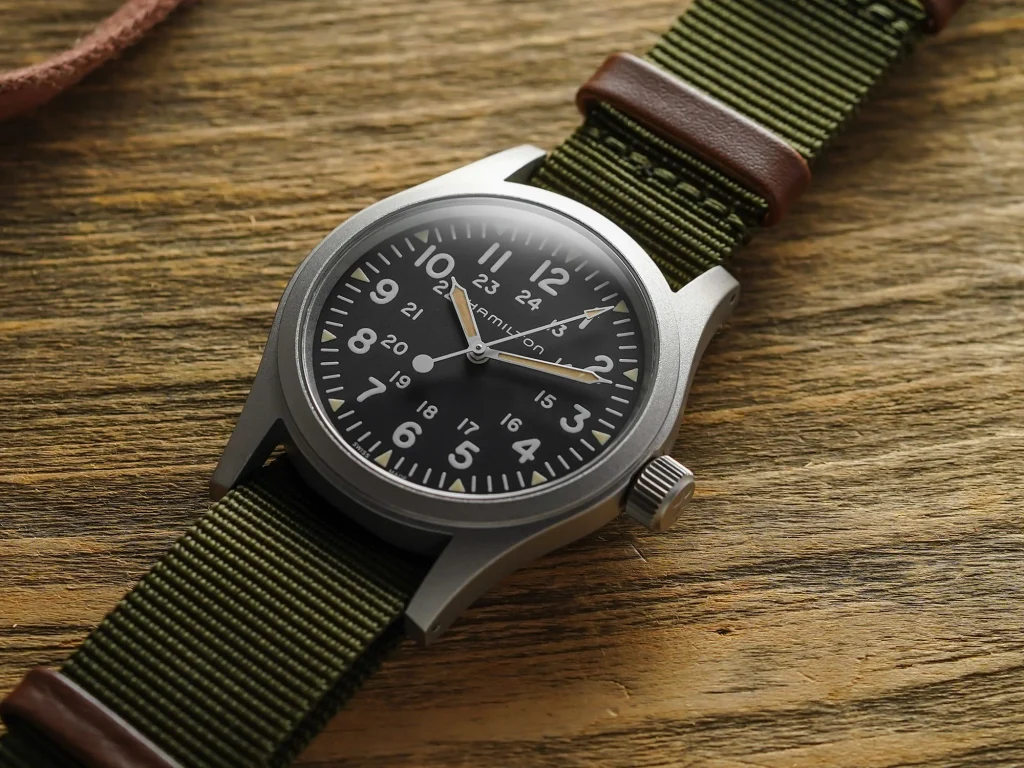
A manual wind watch requires the wearer to wind the mainspring by hand, typically every 24 to 48 hours.
How It Works:
You manually turn the crown to wind the mainspring. As you wind it, the spring tightens, and once fully wound, the crown offers resistance, signaling the watch has reached its power limit. As the mainspring unwinds, it powers the movement. Be careful not to overwind, as this can damage the watch.
Advantages:
- Connection: Winding the watch by hand creates a personal connection with the timepiece.
- Slim Design: Without the rotor and other self-winding parts, manual watches are often thinner and sleeker.
- Tradition: Many enthusiasts enjoy the ritual of winding their watch, appreciating the craftsmanship and engineering behind it.
- Vintage Appeal: Manual watches are a great choice for those who prefer a more classic, old-school style.
- Affordability: Without the complexity of automatic mechanisms, manual watches are often more affordable.
Disadvantages:
- Risk of Overwinding: Though most modern watches have safeguards, there is still a chance of damaging the mainspring if overwound.
- Regular Winding: If you forget to wind it, the watch will stop, requiring you to reset the time.
Comparing Automatic vs. Manual Wind Watches
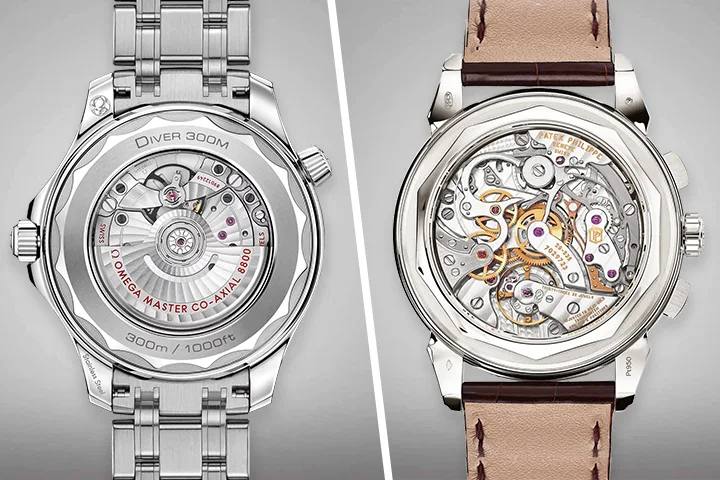
Both automatic and manual wind mechanical watches are known for their elegance and durability. Here’s a comparison to help you understand the differences between them:
| Key Differences | Automatic | Manual Wind |
|---|---|---|
| Design & Style | Thicker design, bulkier appearance | Thinner profile, more streamlined look |
| Maintenance & Convenience | Low maintenance; self-winding, so less user involvement | Requires regular manual winding to keep running |
| Accuracy | Both are highly accurate and precise | Both are highly accurate and precise |
Things to Consider When Choosing Between Automatic & Manual Wind Watches:
If you’re unsure which movement is right for you, think about these factors to help make your decision:
- Convenience: Automatic watches are ideal if you prefer less effort, as they wind themselves with daily wear. Manual wind watches, on the other hand, require regular winding but offer a more intimate connection with the timepiece.
- Design: If you prefer a thinner, sleeker watch, manual wind might be better for you. Automatic watches are typically thicker due to the additional components.
- Personal Preference: Some watch enthusiasts enjoy the ritual of winding a manual watch, while others appreciate the ease of an automatic.
By weighing these considerations, you can choose the mechanical watch movement that fits your lifestyle and preferences.
Craftsmanship
If you appreciate the fine engineering and craftsmanship of luxury watches, an automatic watch’s intricate, self-winding mechanism will likely appeal to you. However, if you value tradition and simplicity, a manual wind watch may be more your style.
Lifestyle
Your lifestyle is a key factor in deciding between an automatic or manual wind watch. If you’re active or sporty, an automatic watch is a more convenient choice, as it maintains power through regular movement without needing to be wound. On the other hand, if you have a more sedentary lifestyle or enjoy interacting with your watch regularly, a manual wind watch is a great option that allows for hands-on engagement.
Budget
Budget can also influence your decision. Automatic watches are often more expensive due to their self-winding complexity, while manual wind watches tend to be more affordable since they lack the additional winding mechanism. However, prices vary depending on the brand, model, and other features.
Brand Preference
Your choice of brand is another important consideration. Some brands specialize in either manual wind or automatic watches, while others offer both. It’s a good idea to research the brand and model you’re interested in to determine which type of watch aligns with your preferences and style.
Top Recommendations for Automatic, Manual Wind, and Quartz Watches
The world of luxury watches offers a wide array of manual, automatic, and quartz options, with many iconic brands showcasing their mastery in precision, craftsmanship, and innovation. Here are some of the best choices from renowned watchmakers:
1. Rolex
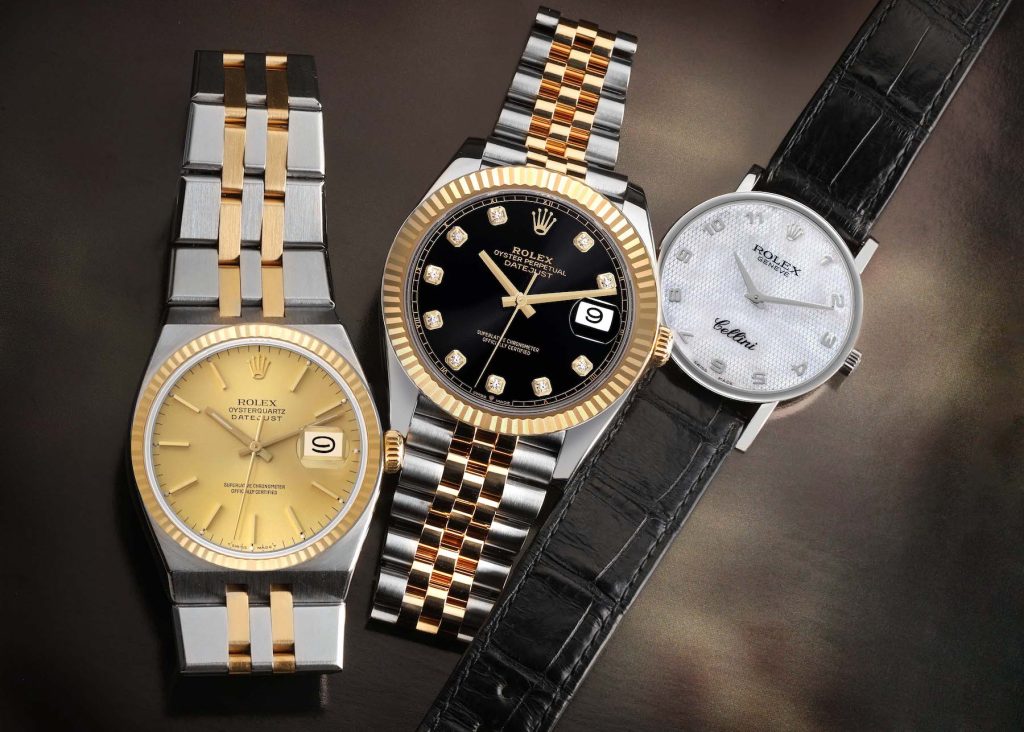
Rolex is one of the most recognized names in luxury watches, known for its exceptional craftsmanship and wide variety of designs. While most Rolex models are automatic, the brand also offers some manual wind models and the highly sought-after Oysterquartz watches. These rare quartz models are prized by collectors for their unique place in Rolex’s history.
2. Omega
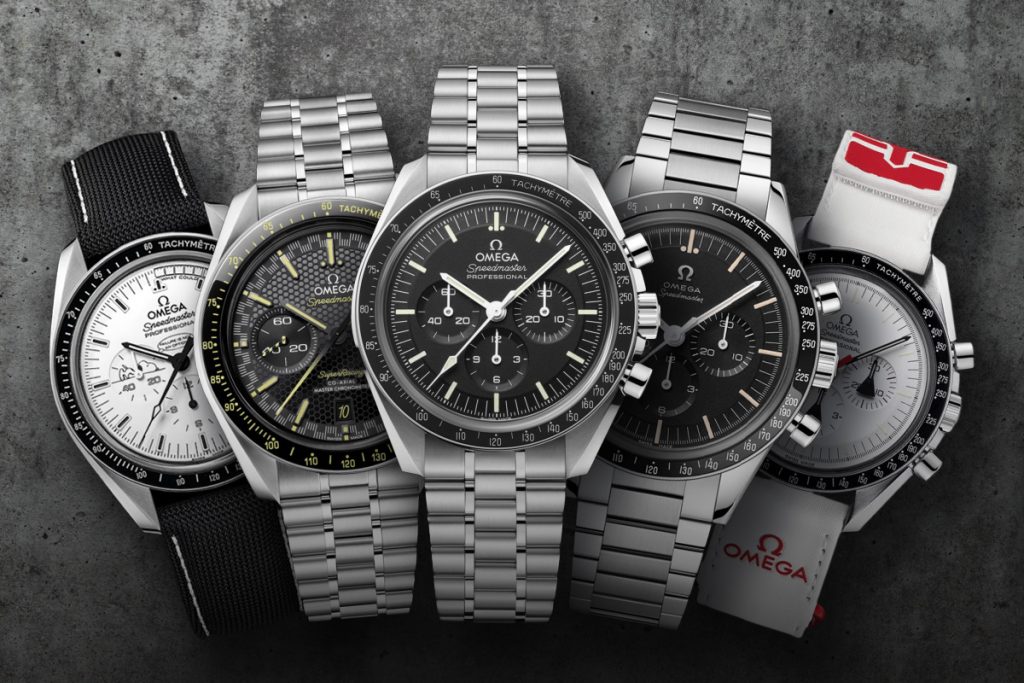
Omega is a renowned Swiss brand with a storied history, including its role as the official timekeeper of the Olympic Games and the first watch on the Moon. Omega offers a wide range of quartz, automatic, and manual wind watches, each distinguished by its precision and functionality, contributing to the brand’s status as a luxury watchmaker.
3. Patek Philippe
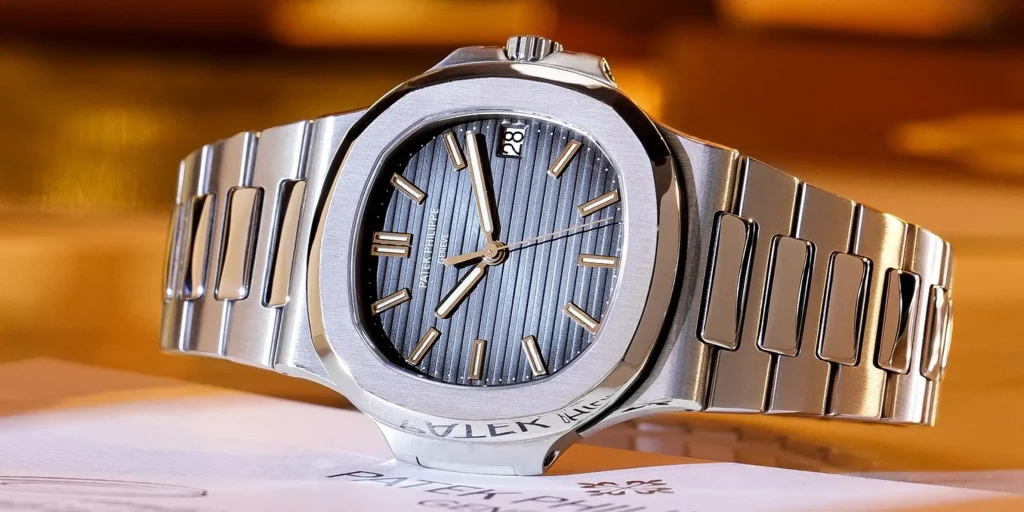
Patek Philippe is known for creating some of the most iconic and valuable watches in the world. Collectors highly value its quartz, manual wind, and automatic models, which combine exquisite design with precise engineering, making them popular for both aesthetic appeal and functional excellence.
4. Audemars Piguet
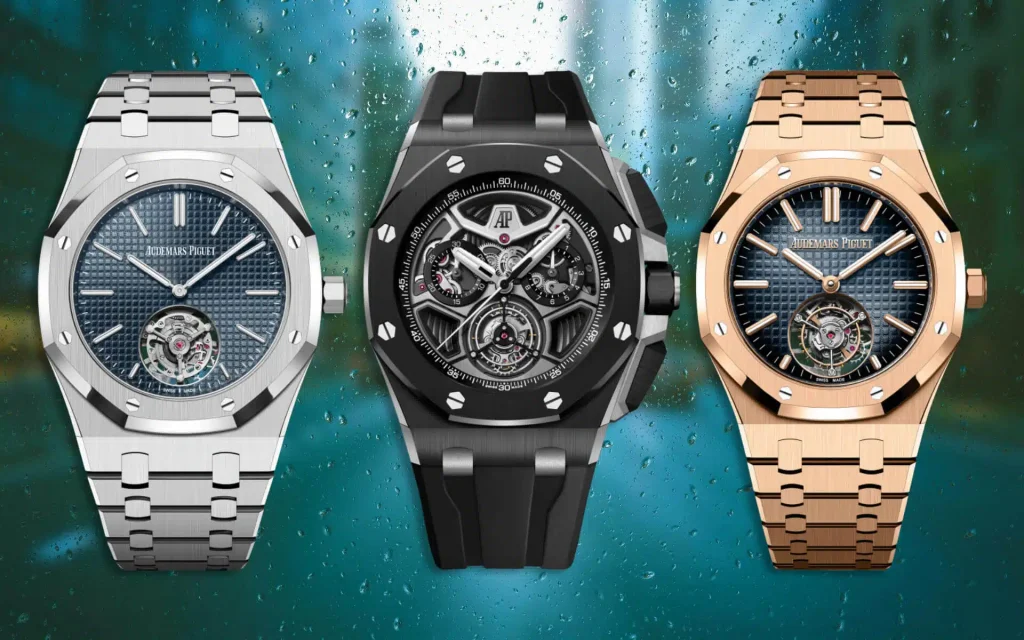
Audemars Piguet is famed for its Royal Oak and Royal Oak Offshore collections, which feature distinctive designs and exceptional watchmaking. Offering quartz, manual wind, and automatic watches, Audemars Piguet is not only known for its style but also as a solid investment choice for collectors.
5. Panerai
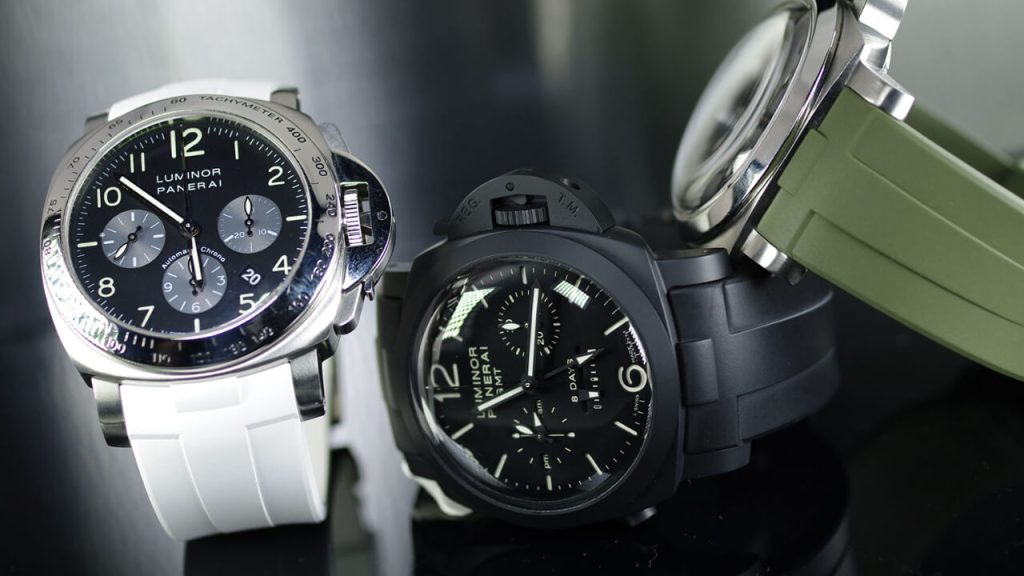
Panerai, an Italian luxury brand, is famous for its oversized watch designs, reflecting its maritime heritage. While Panerai is known for its automatic movements, its manual wind models—such as the Radiomir and Luminor collections—are equally celebrated for their classic appeal and craftsmanship.
Conclusion
Many of us grew up thinking watches were either analog or digital. But as we got older, we discovered a whole world of luxury watches that don’t rely on batteries—and it completely changed our perspective!
After breaking down the key differences, benefits, and drawbacks of the two main types of mechanical watches, we’ve cleared up the common misunderstanding: automatic watches are, in fact, a type of mechanical watch.
Whether you’re new to watch collecting or a seasoned expert, it’s essential to grasp these distinctions. Both types of mechanical watches have fascinated enthusiasts for generations.
So, which movement suits you—automatic or manual? Regardless of your choice, you’re investing in a timepiece with a rich history that will stand the test of time.
