

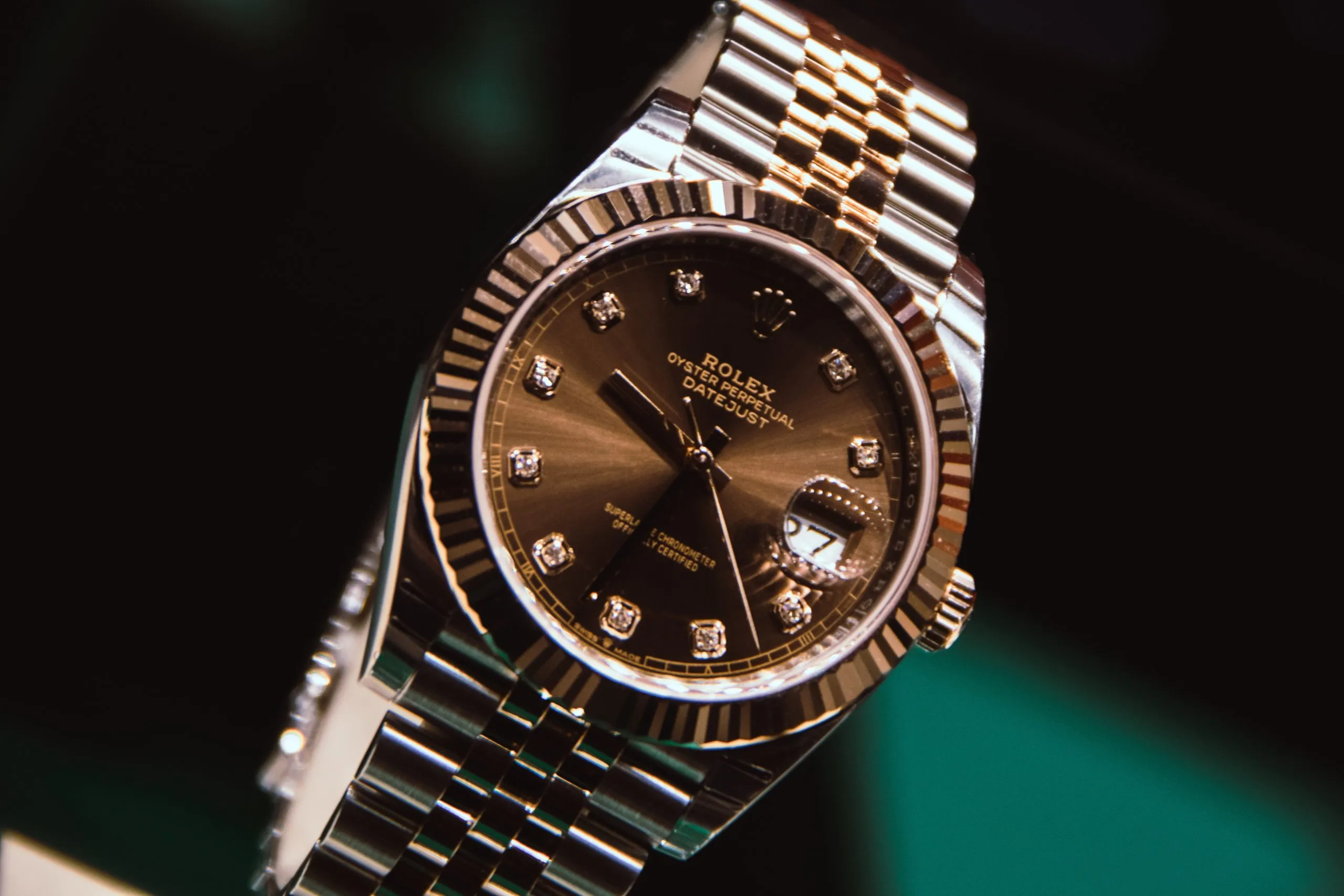
Rolex is one of the most famous and respected luxury watch brands in the world. A Rolex watch represents status, wealth, and great style. But because of its popularity, counterfeit Rolex watches have been around since the 1960s. Today, fake Rolexes are more advanced and in high demand.
There are several ways to tell a real Rolex from a fake one, but one of the best methods is by checking the serial number. You might ask, “Do all Rolex watches have a serial number?” The answer is yes.
Each Rolex has a unique serial number that shows the year it was made. These numbers also help determine the value of the watch, making it easier to sell confidently.
Also Read: The Most Popular Rolex Watch Is Also the Most Underrated
Let’s explore what these serial numbers mean, how to check them, and how they can help confirm that your Rolex is authentic.
How To Find the Serial Number on a Rolex?

All Rolex watches come with a unique serial number that acts as a personal identification number. This serial number can help you determine the approximate age of the watch. If you’re wondering, “How do I check a Rolex serial number?” here’s what you need to know:
The location of the serial number depends on the age of the watch. For older Rolex models, the serial number is engraved between the lugs at the 6 o’clock position, behind the bracelet. To find it, you will need to remove the bracelet from the watch case. Typically, the serial number consists of 4 to 8 digits.
Starting in 2005, Rolex began engraving serial numbers on the inner bezel, known as the rehaut, just under the crystal at the 6 o’clock position. For these modern watches, there’s no need to remove the bracelet to see the serial number.
By 2008, Rolex transitioned to engraving the serial number only on the rehaut, and from 2010 onwards, all models featured this placement. So, newer Rolex watches no longer have serial numbers etched between the lugs at 6 o’clock—they’re found on the inner rehaut instead.
An easier way to find the serial number is by checking the Rolex authentication certificate or the original paperwork, where the serial number is also listed.
The New Serial Number System Introduced in 2010
In 2010, Rolex moved away from using consecutive numbering and introduced a new, randomized system for its watches. Now, each Rolex timepiece is assigned a unique combination of numbers and letters. Previously, it was easy to determine a watch’s age or production year by checking Rolex serial number databases. However, with the new random serial numbers, this is no longer possible.
The main reason for this change was to make it harder for counterfeiters to replicate. Rolex’s precision in laser engraving these numbers is difficult for counterfeiters to match.
Why does Rolex use Serial Numbers?
Rolex assigns a unique serial number to each of its watches, making it easier to identify counterfeit Rolexes. The serial number is an essential tool for verifying whether a Rolex is genuine, helping to confirm its authenticity. As Rolex grew in popularity, especially from the 1960s onward, counterfeit versions flooded the market.
To combat this issue, Rolex implemented a system of unique serial numbers for every watch. These serial numbers make it challenging for counterfeiters to pass off fakes as genuine, as the numbers contain detailed information about each watch.
Typically, the serial number indicates the watch’s production year, location of manufacture, and even the craftsperson involved in making it. Since each Rolex has a unique serial number, no two watches will ever share the same one.
The introduction of a randomized serial number system, along with the Rolex authentication certificate and official paperwork, has made it even harder for counterfeiters to create convincing replicas. Whether buying or selling, it’s always wise to check a Rolex’s serial number and verify it through the brand’s serial number chart to ensure authenticity.
